WORK

Things I’ve built.

Every business loses hours each week to work that repeats. I find that work, build a system that takes it off your plate, and hand it over so you own it.

Contact

Professional

Inventory & Ordering System

AUTONOMOUS BACK OF HOUSE
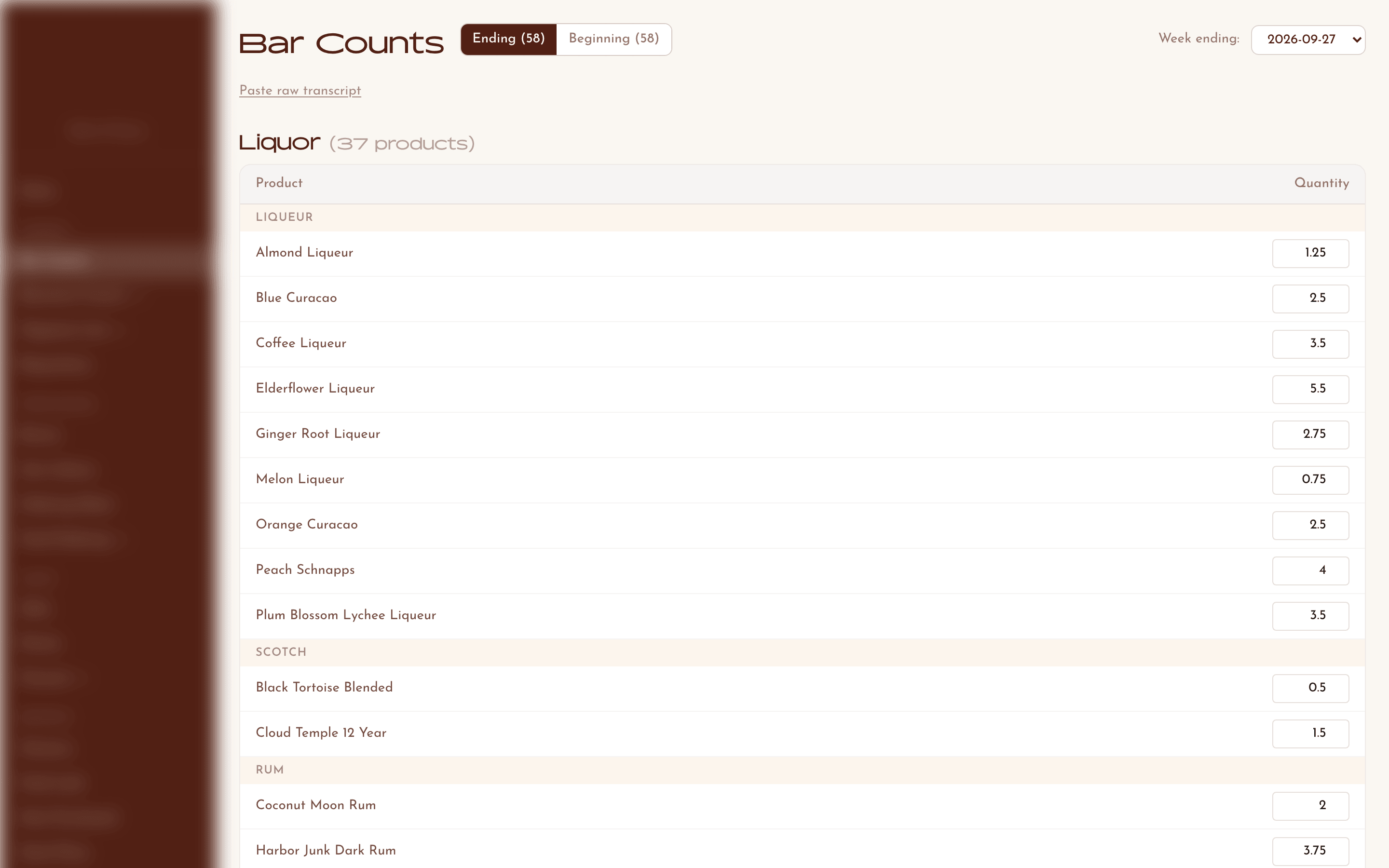
Inventory & Ordering System: Bar counts, by voice
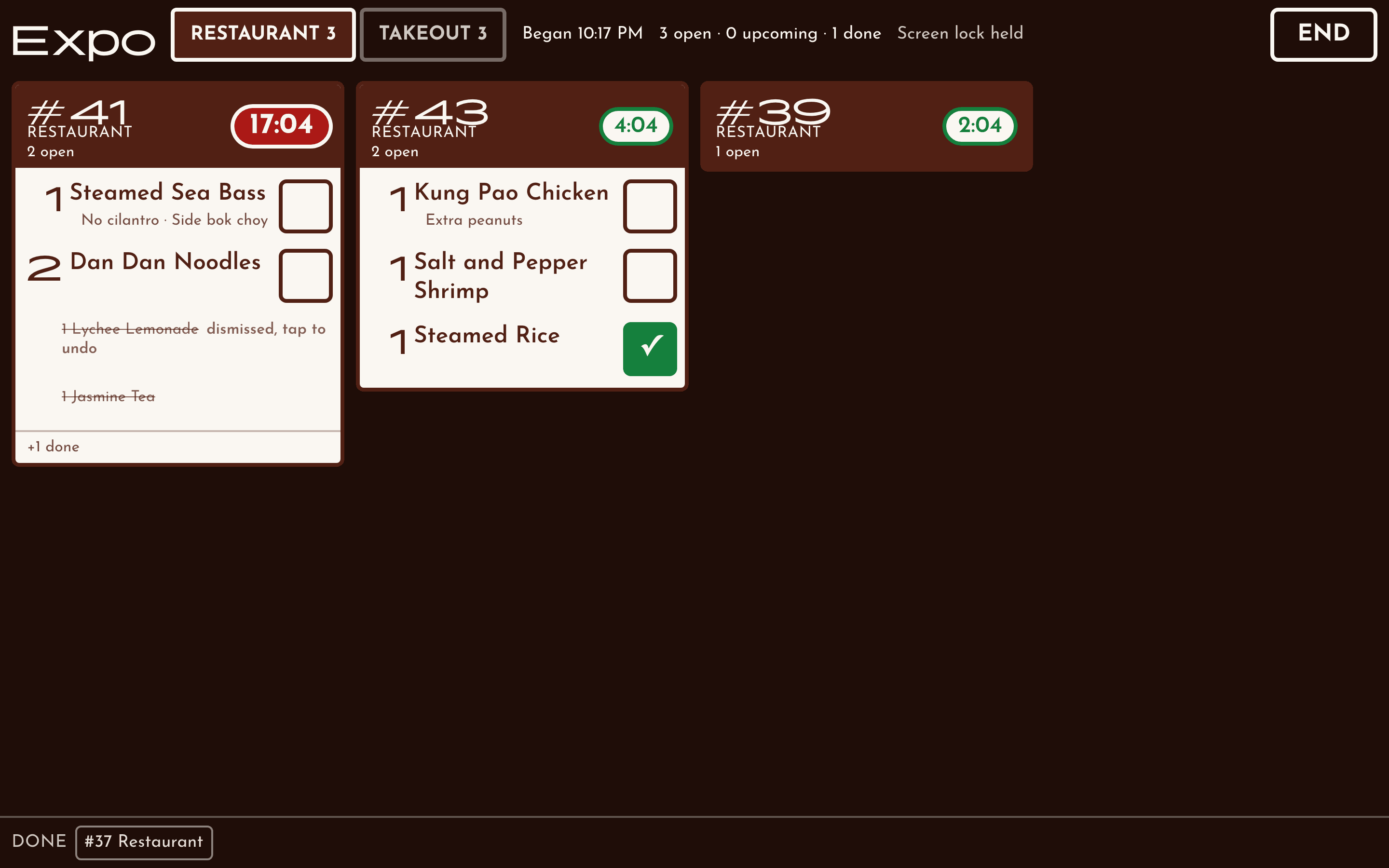
Inventory & Ordering System: Kitchen timing board
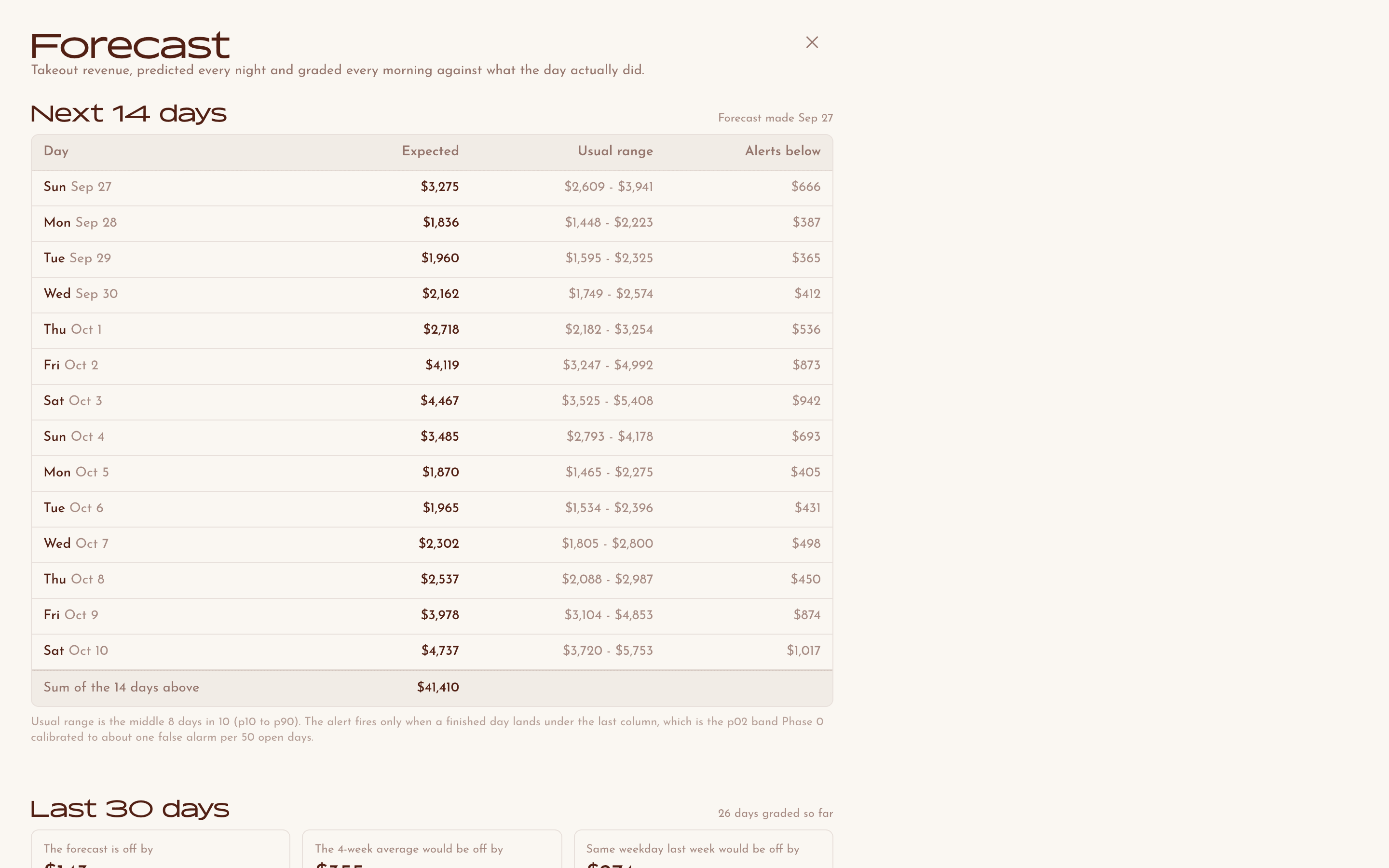
Inventory & Ordering System: Takeout forecast
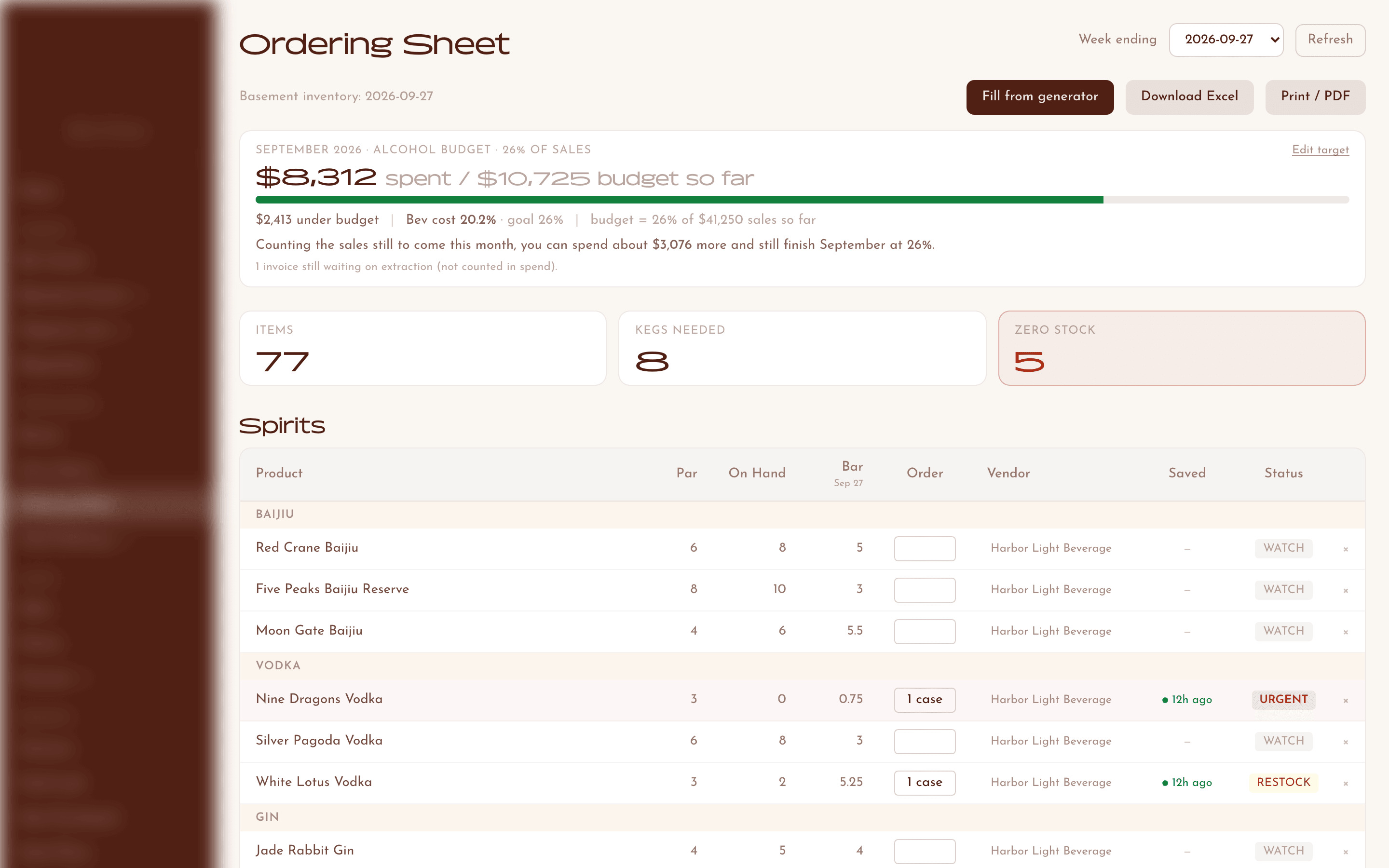
Inventory & Ordering System: Ordering sheet
Bar counts, by voice1 / 4

THE PROBLEM

At our family’s restaurants, counting stock, checking invoices, and placing orders were separate weekly chores that knew nothing about each other. Working out what we had, what we had used, and what to buy meant rebuilding the picture from paperwork and memory every week.

WHAT I BUILT

I built a system that reads invoices, takes counts by phone or voice, and connects sales to recipes. It compares expected stock with actual counts, prepares vendor orders, and tracks price changes. It also brings food costs, demand forecasts, and kitchen paperwork into the same workflow, with reports that show what needs attention.

HOW I USE IT

The routine work is done by the time I sit down, so my time goes to checking the results and making the calls. What started with the liquor inventory now covers food, supplies, and the kitchen.
Research & Publishing Platform

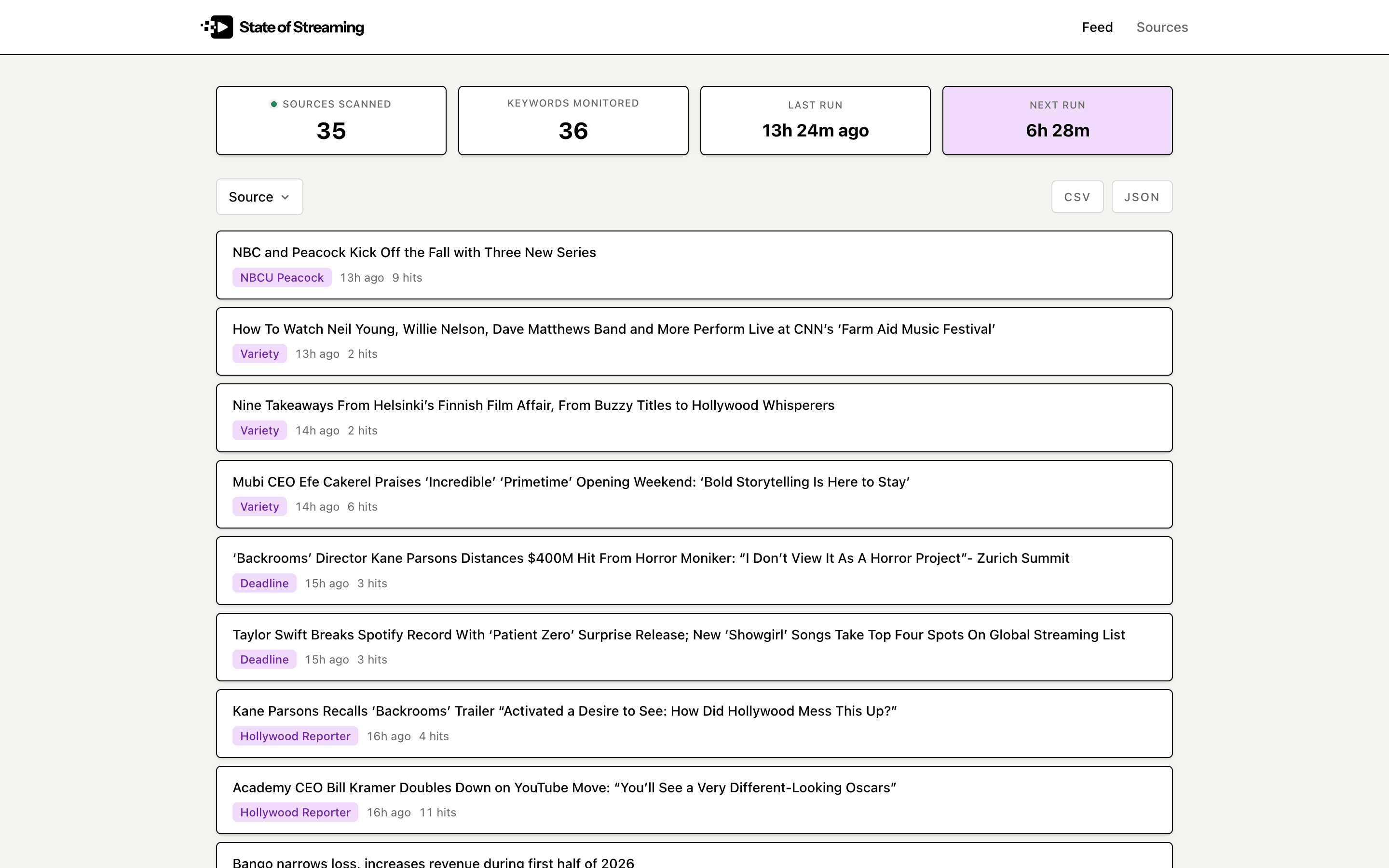
STATE OF STREAMING

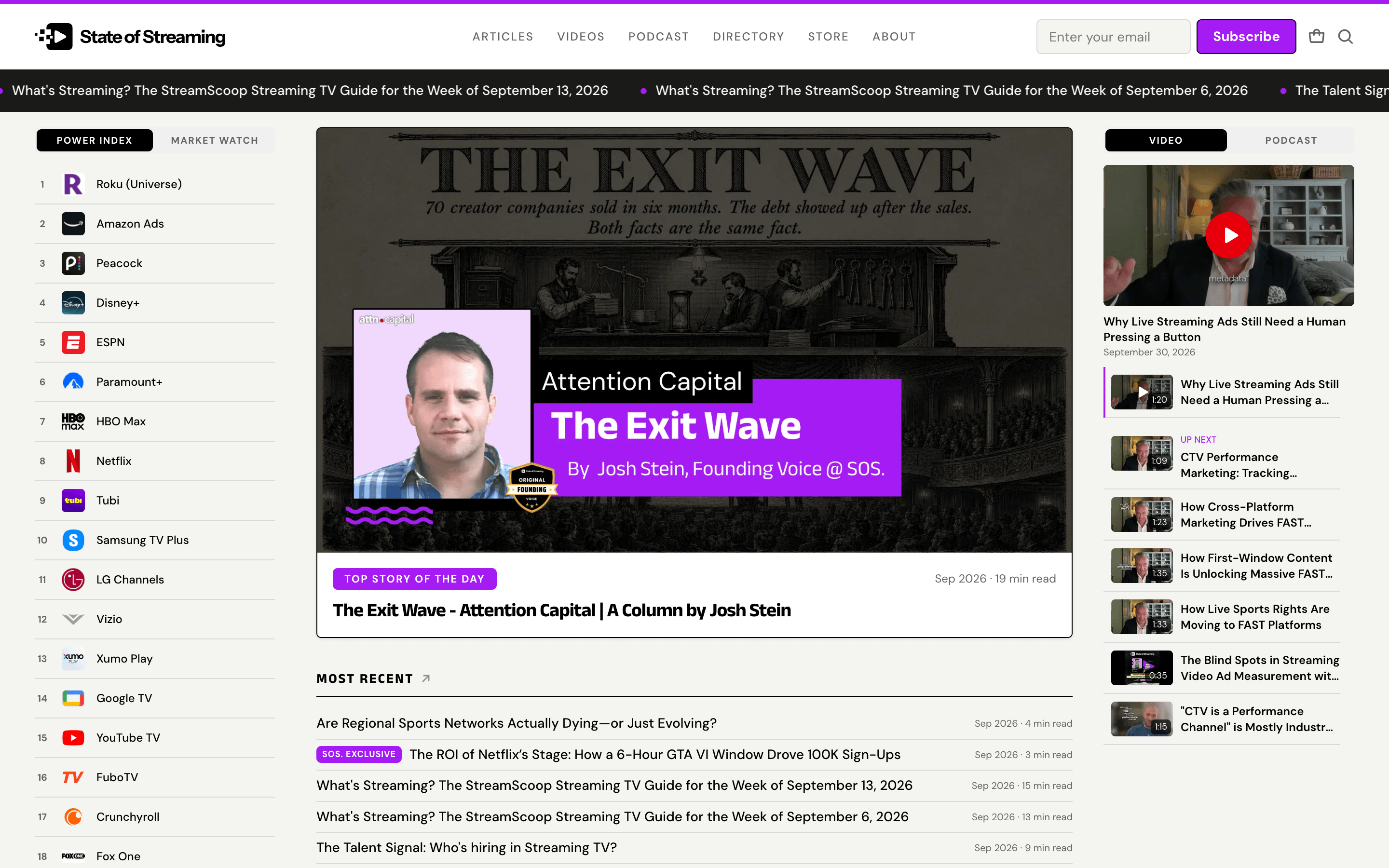
Research & Publishing Platform: stateofstreaming.com
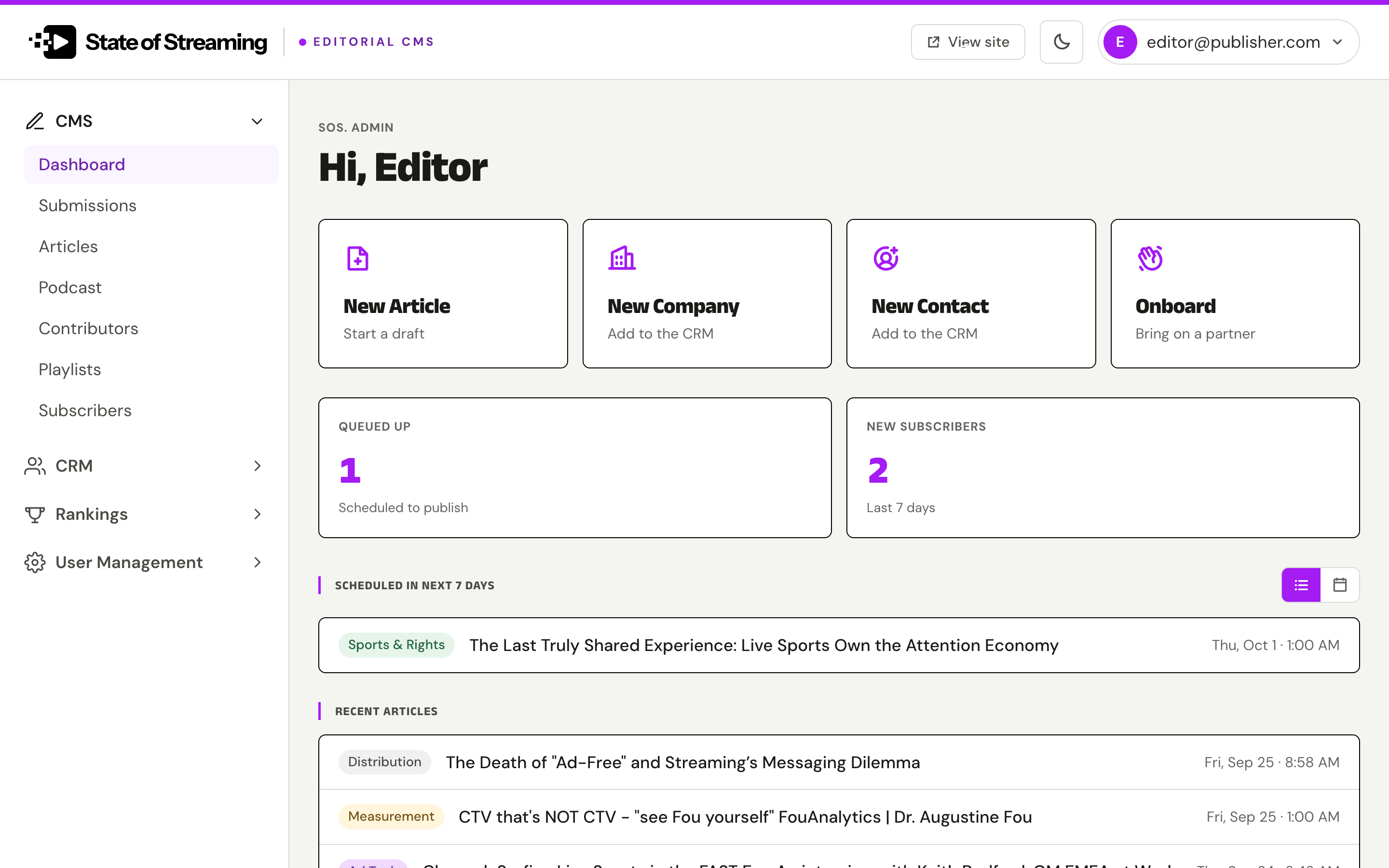
Research & Publishing Platform: Editorial dashboard
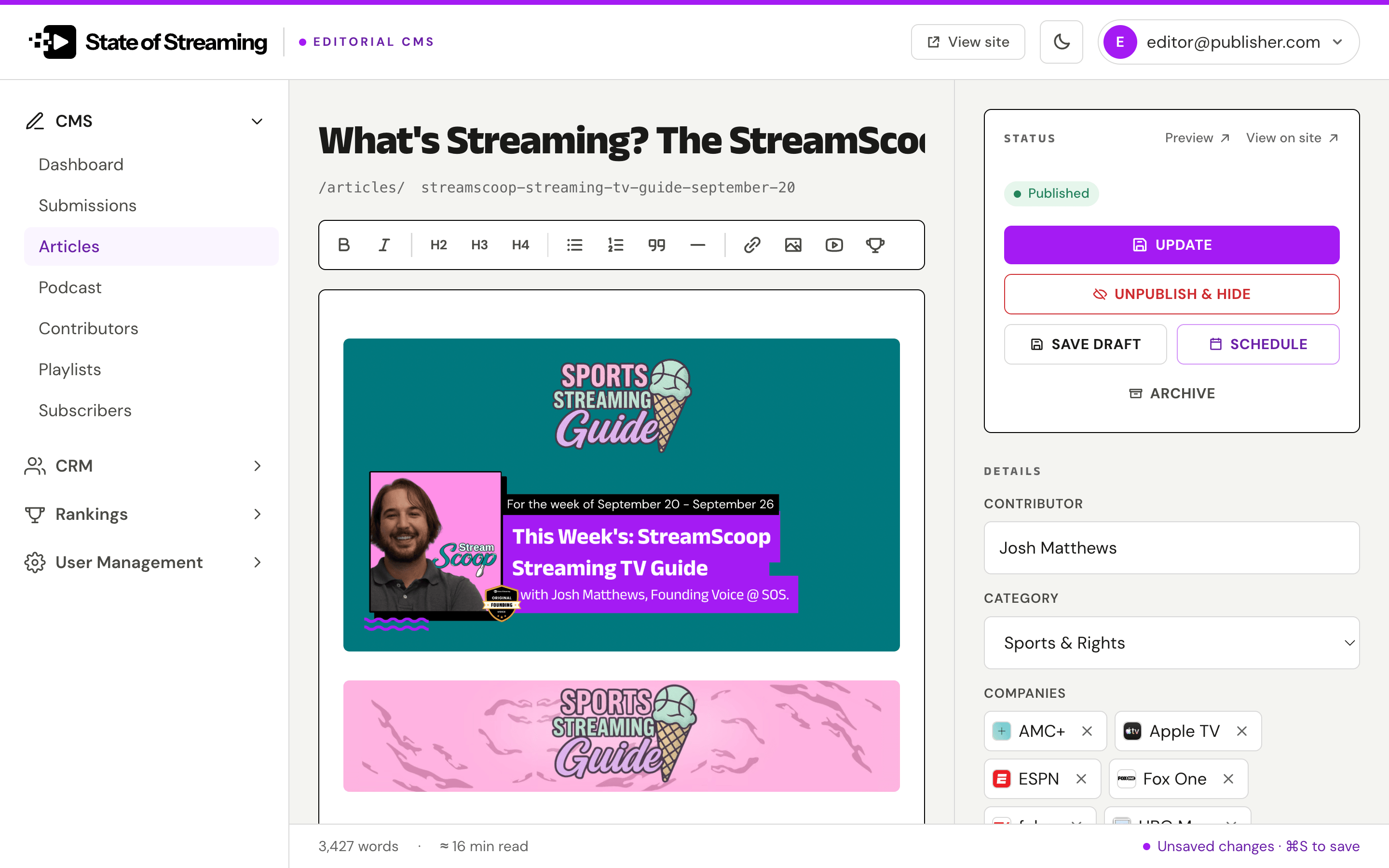
Research & Publishing Platform: Article editor
Research & Publishing Platform: Research feed
stateofstreaming.com1 / 4

THE PROBLEM

State of Streaming wanted to become a daily resource for the streaming industry, bringing reporting, research, company information, and audience data together. Their existing website and publishing process made that difficult to build and maintain without outside help.

WHAT I BUILT

I built the public site and the tools behind it. A morning feed gathers relevant industry news. A shared workspace lets the team publish articles, manage contributors, update company profiles, build rankings, and add viewership data. Those records feed the public pages, putting their coverage and the companies it concerns in one place.

WHAT CHANGED

The team now runs and grows the publication on its own, and produces batches of articles in hours instead of days.

Website & Custom CMS

CLOVER

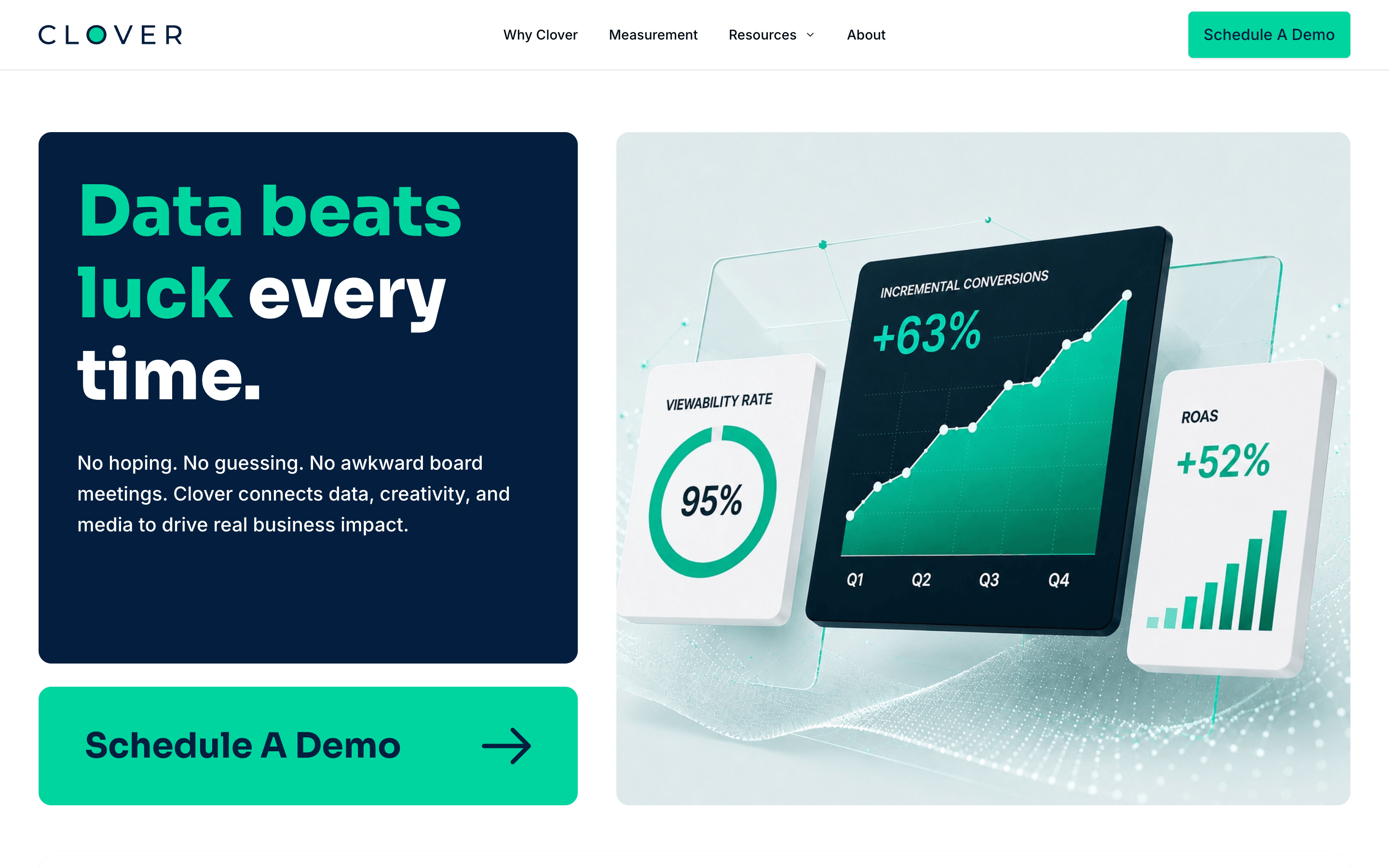
Website & Custom CMS: cloveragency.com
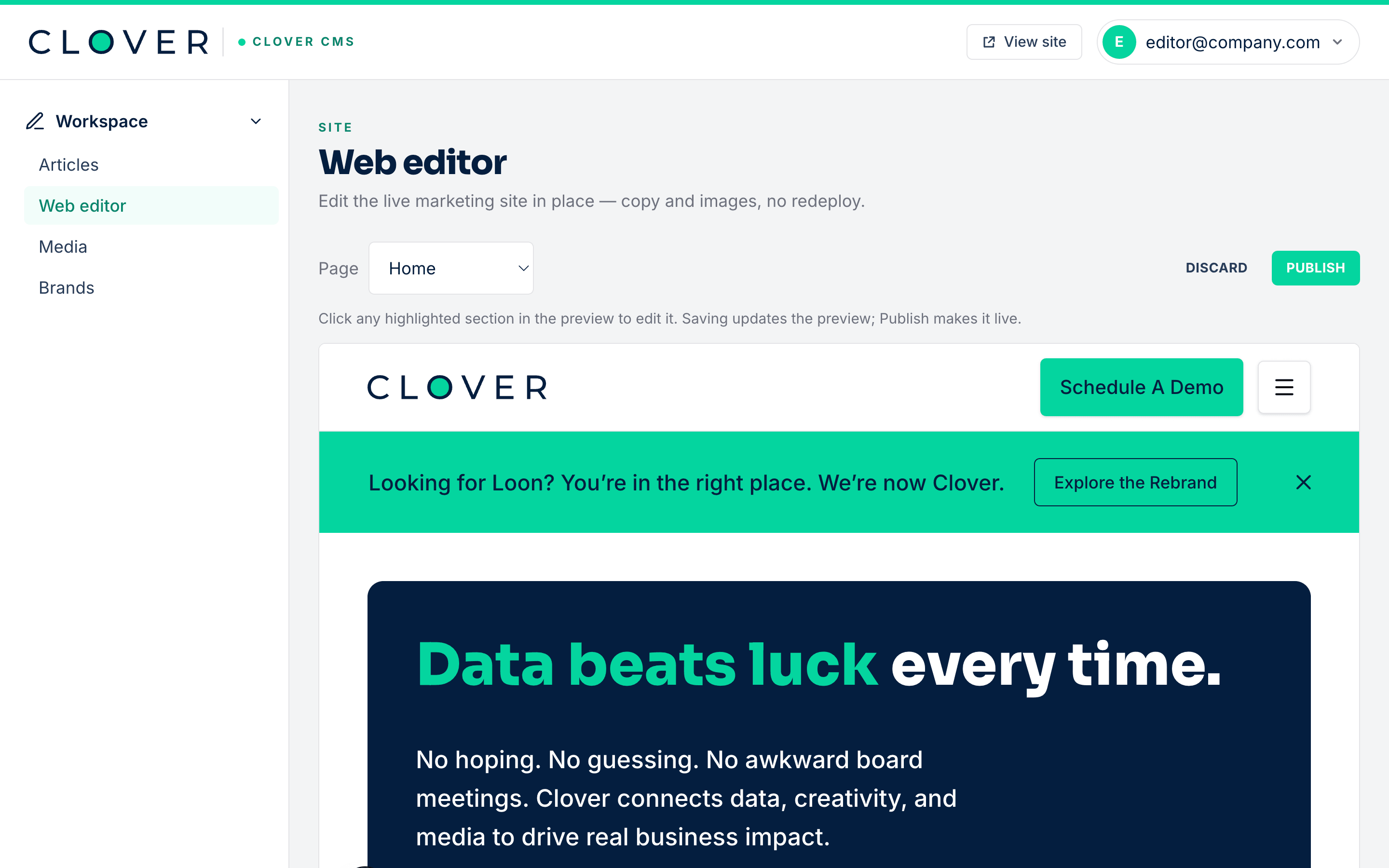
Website & Custom CMS: Web editor
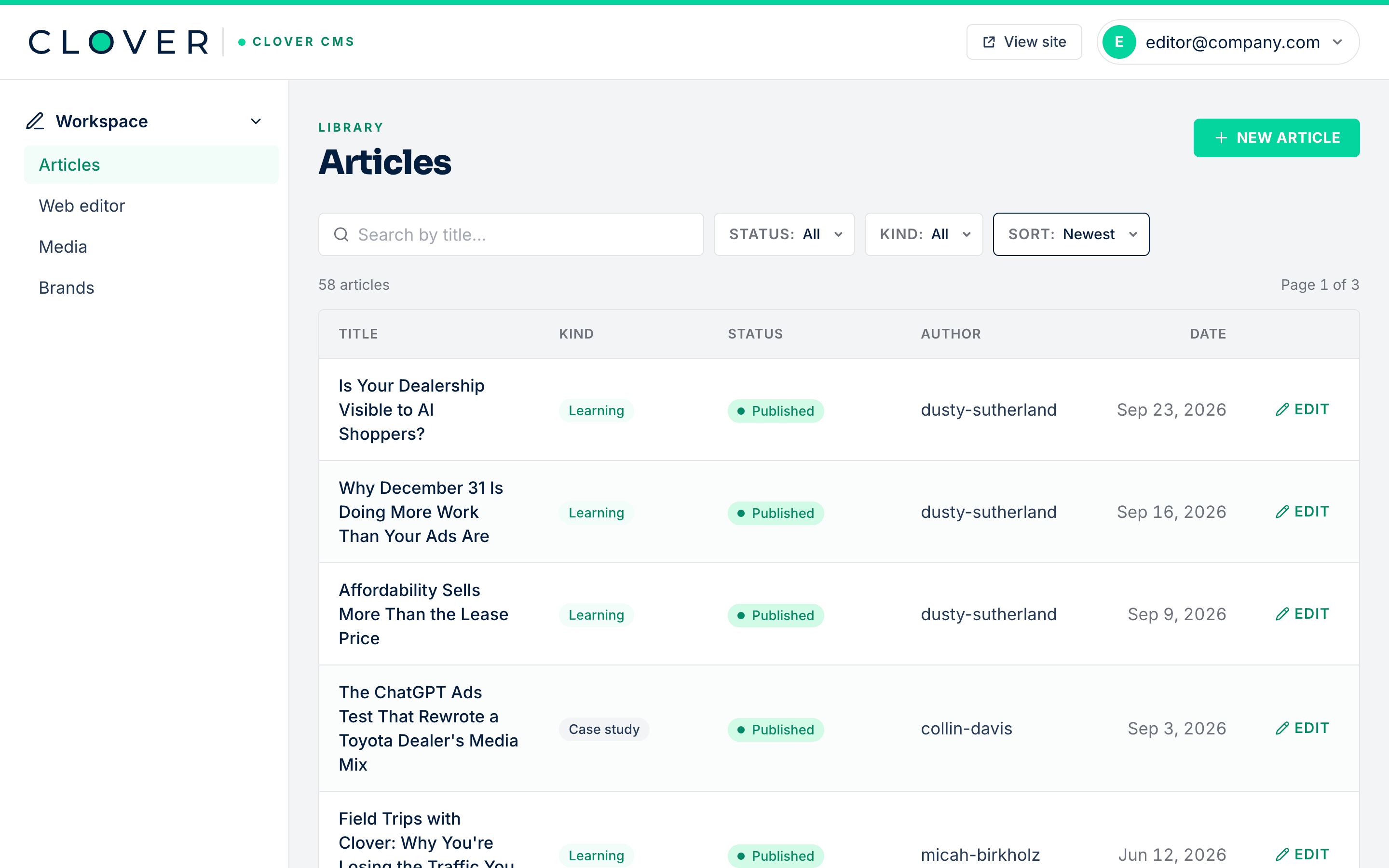
Website & Custom CMS: Articles
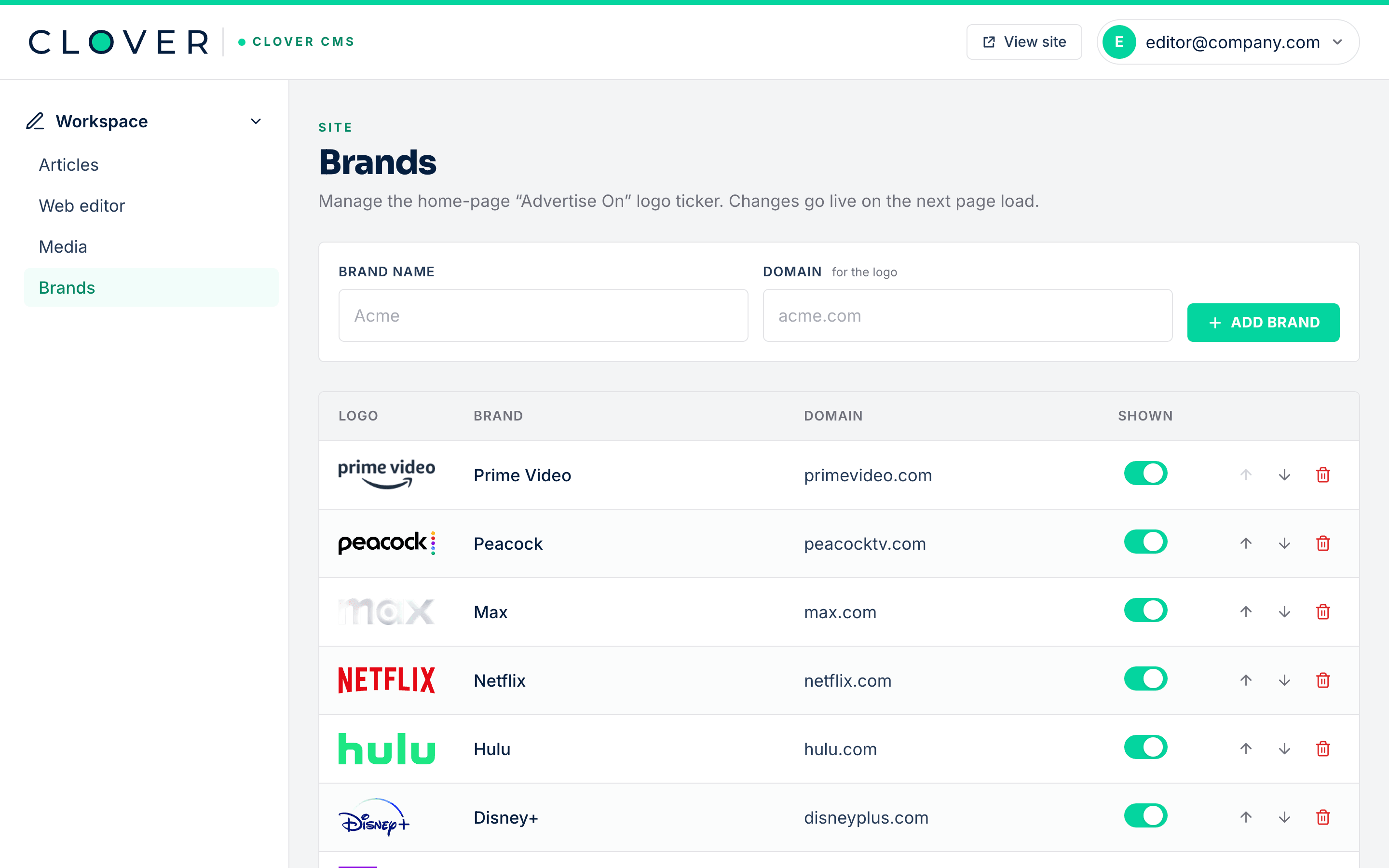
Website & Custom CMS: Brands
cloveragency.com1 / 4

THE PROBLEM

Clover was launching a new name for its advertising business, and the website had to launch with it. The team also wanted the site to keep up as the business changed, without another redesign or a developer request for every copy and image update.

MY CONTRIBUTION

I built the site from their design team’s Figma, with a publishing system built into it. Their existing articles came over with the old links still working, and demo booking was connected. On the publishing side, marketing can edit any section of any page, manage images and the advertiser logos, and write or schedule articles. Every change stays in draft until the team previews it and publishes.

WHAT THE TEAM CAN DO

Clover got the custom site its designers envisioned, with everyday updates in the team’s hands. I transferred the code and hosting to their accounts, so they own the finished system.

LED Truck Campaign Platform

MOBIBO

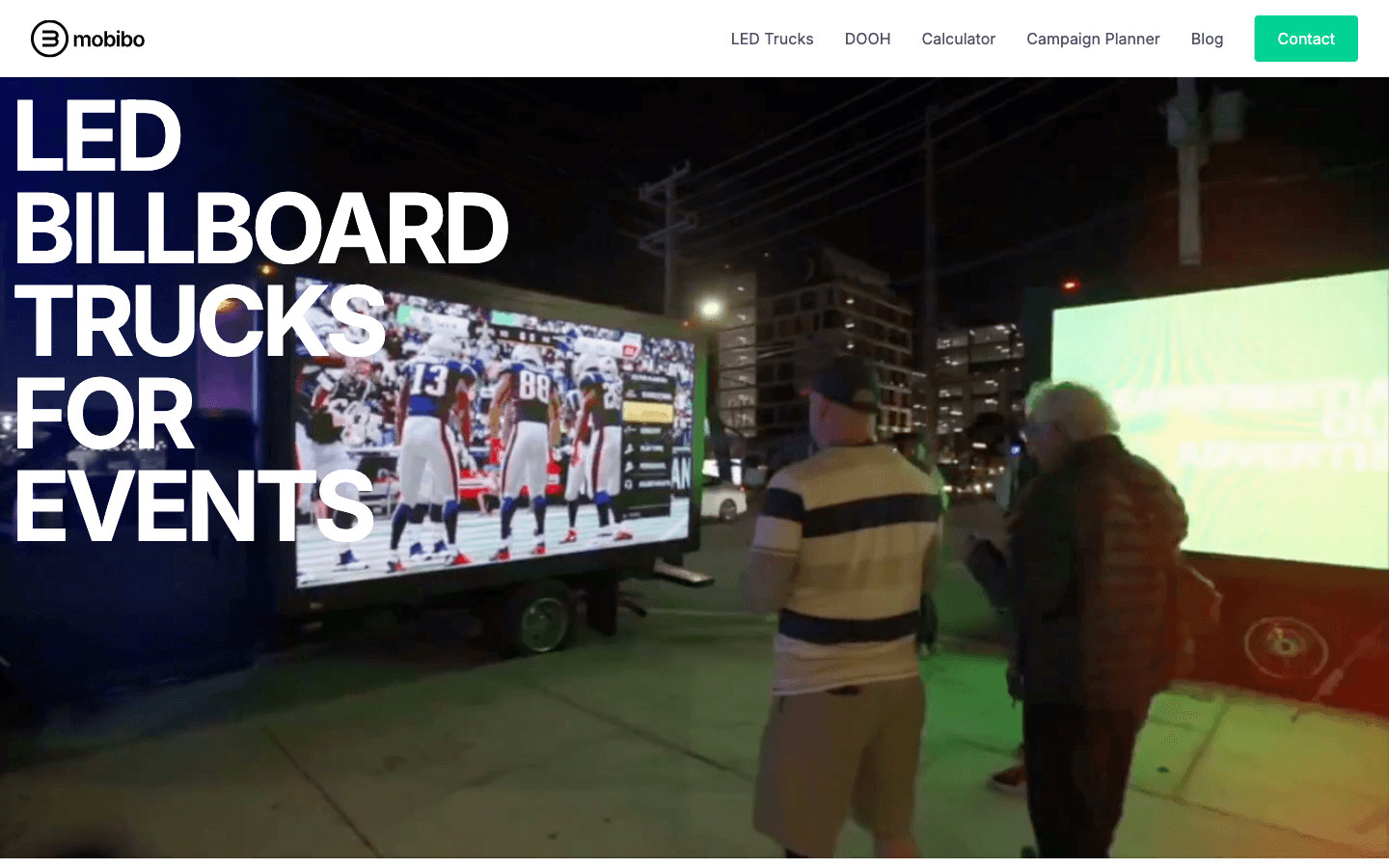
LED Truck Campaign Platform: Mobibo site
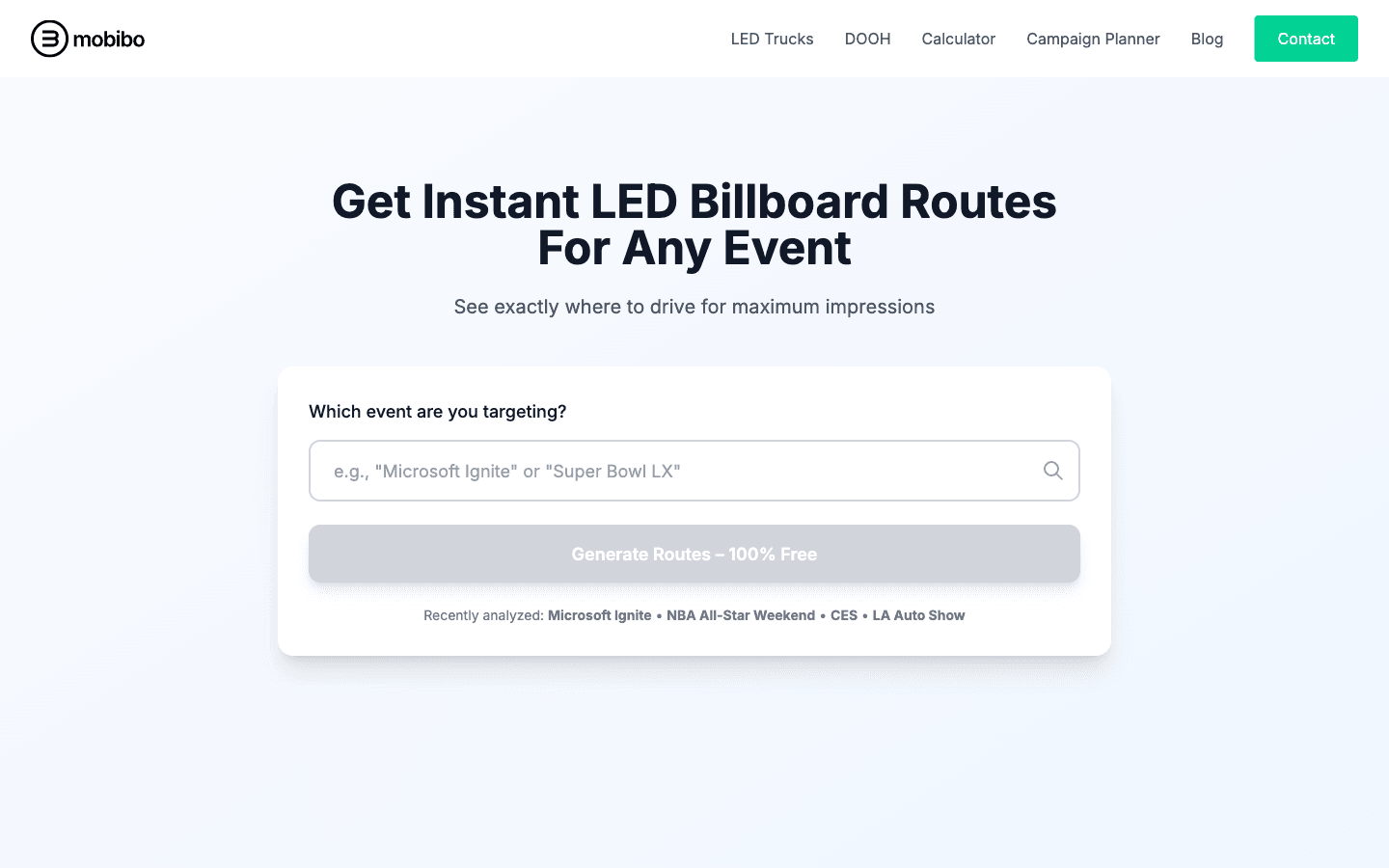
LED Truck Campaign Platform: Campaign planner
LED Truck Campaign Platform: Super Bowl LIX, the Superdome
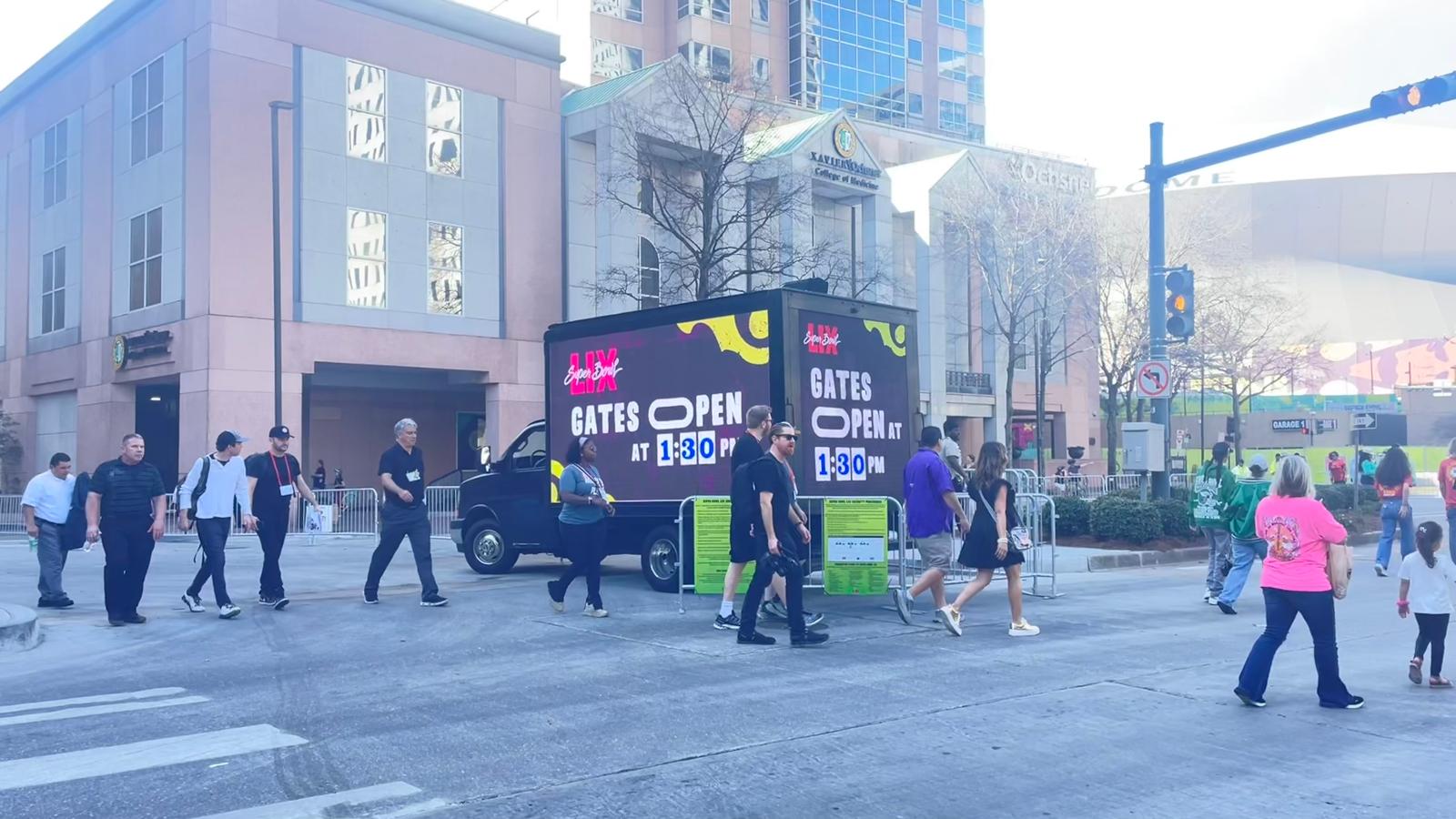
LED Truck Campaign Platform: Super Bowl LIX, gates open
Mobibo site1 / 4

THE BUSINESS

I co-founded Mobibo to connect advertisers with LED trucks and the people who operate them. Selling a campaign meant helping a buyer understand where the truck would go, what it would cost, and how it would fit their event.

MY ROLE

I built the tools advertisers used to plan a campaign. They could pick a city or event, map the truck’s route, estimate the cost, and see the expected foot traffic before we ever spoke. Behind the scenes, I built software to keep the business organized. I handled the proposals, screen specs, and agreements myself.

THE CAMPAIGNS

Mobibo ran campaigns for venture-backed tech companies at conferences in San Francisco and New York, for pharmaceutical companies, and for the NFL at Super Bowl LIX in New Orleans. Each one was planned with the advertiser, from the first call to the day the trucks rolled.

Container Lead Generation

MODBETTER

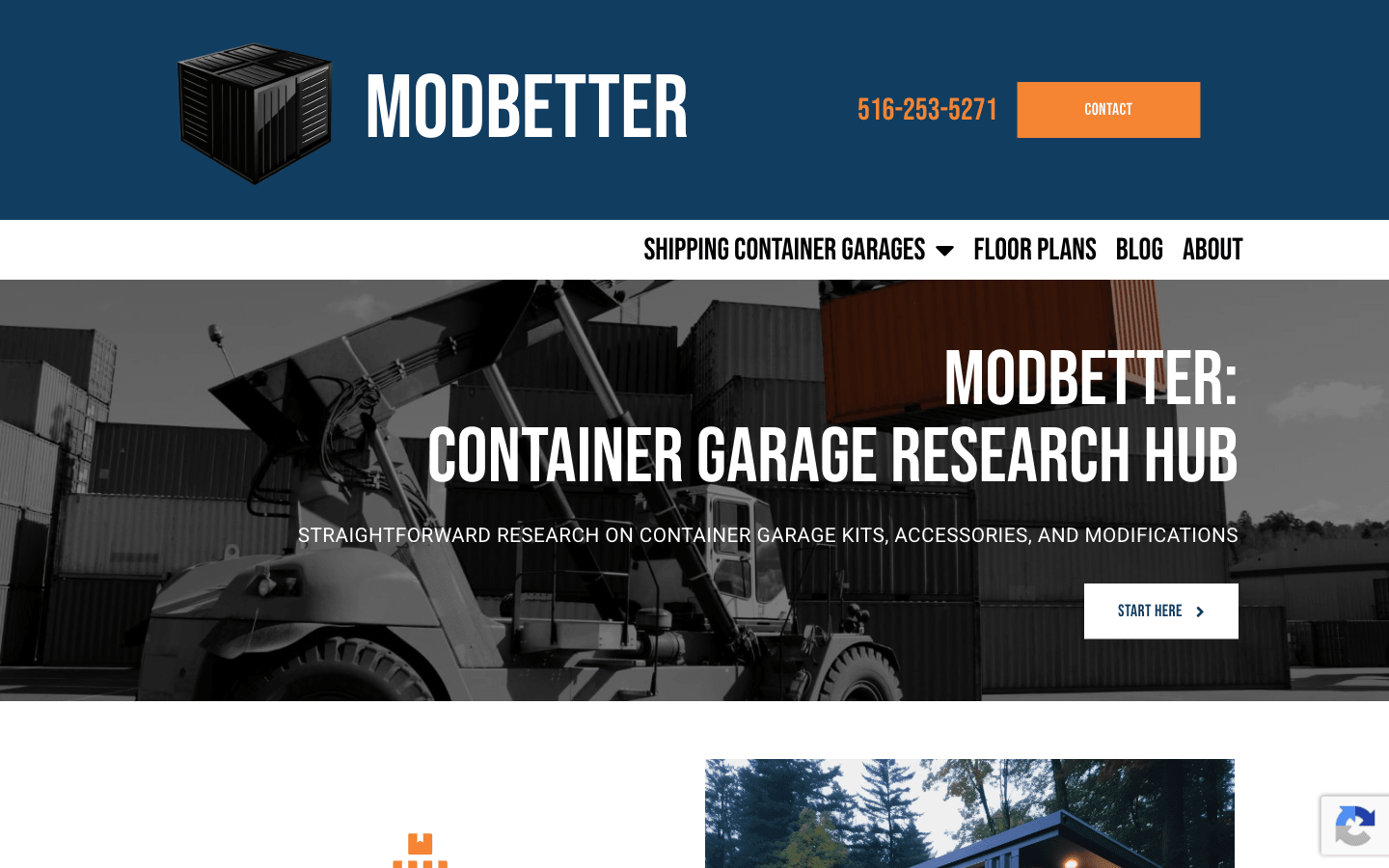
Container Lead Generation: ModBetter site
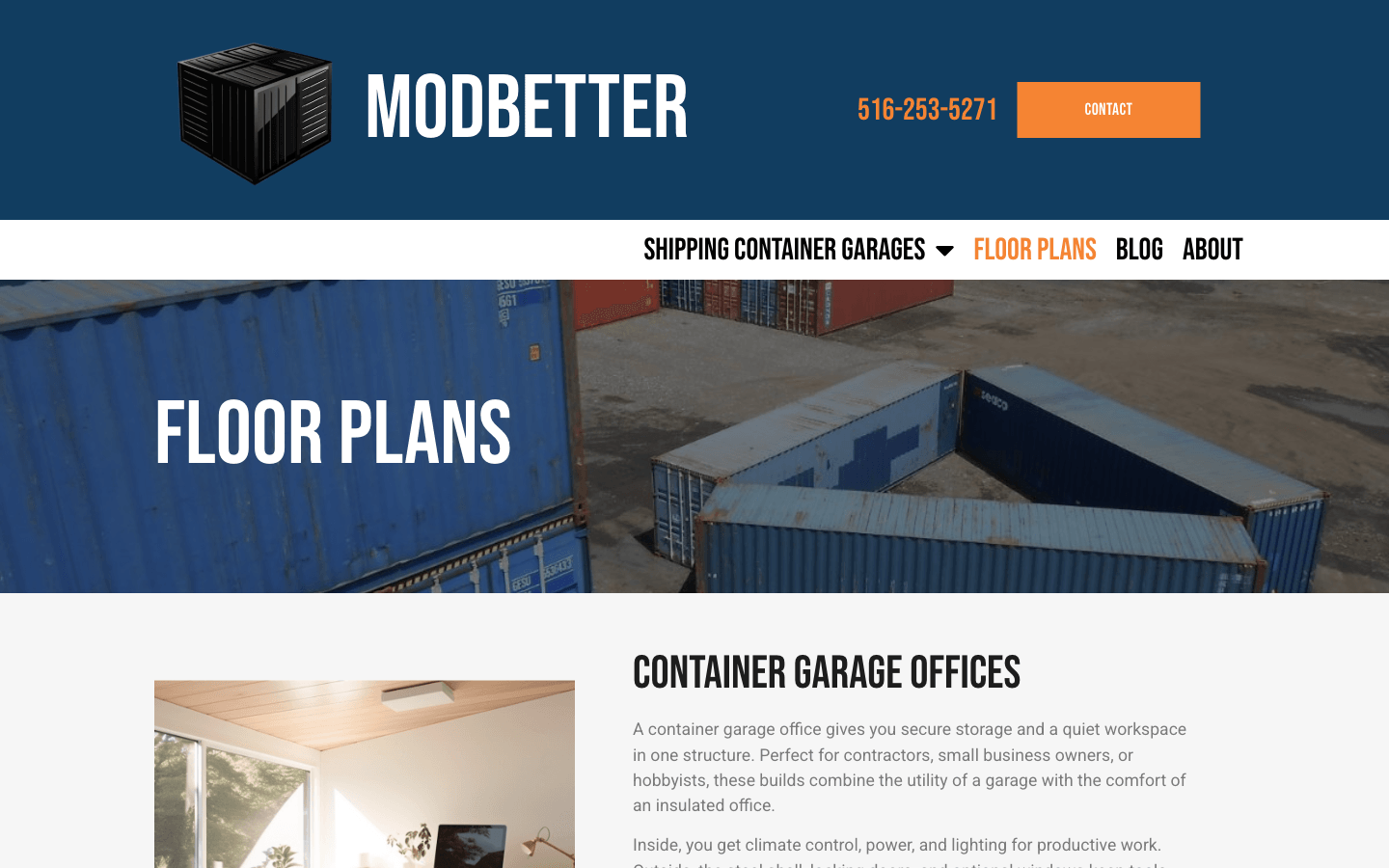
Container Lead Generation: Floor plans
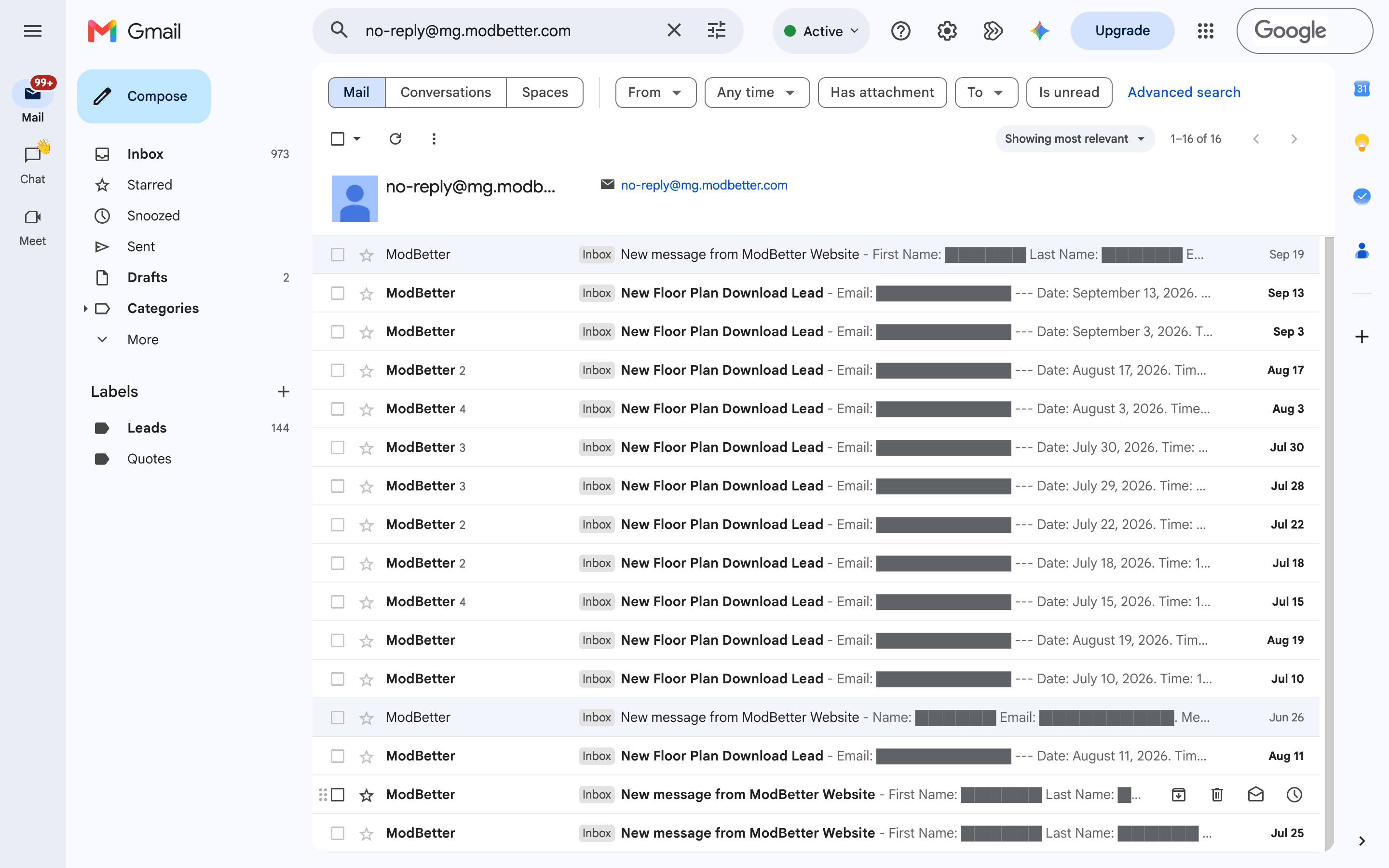
Container Lead Generation: Lead alerts
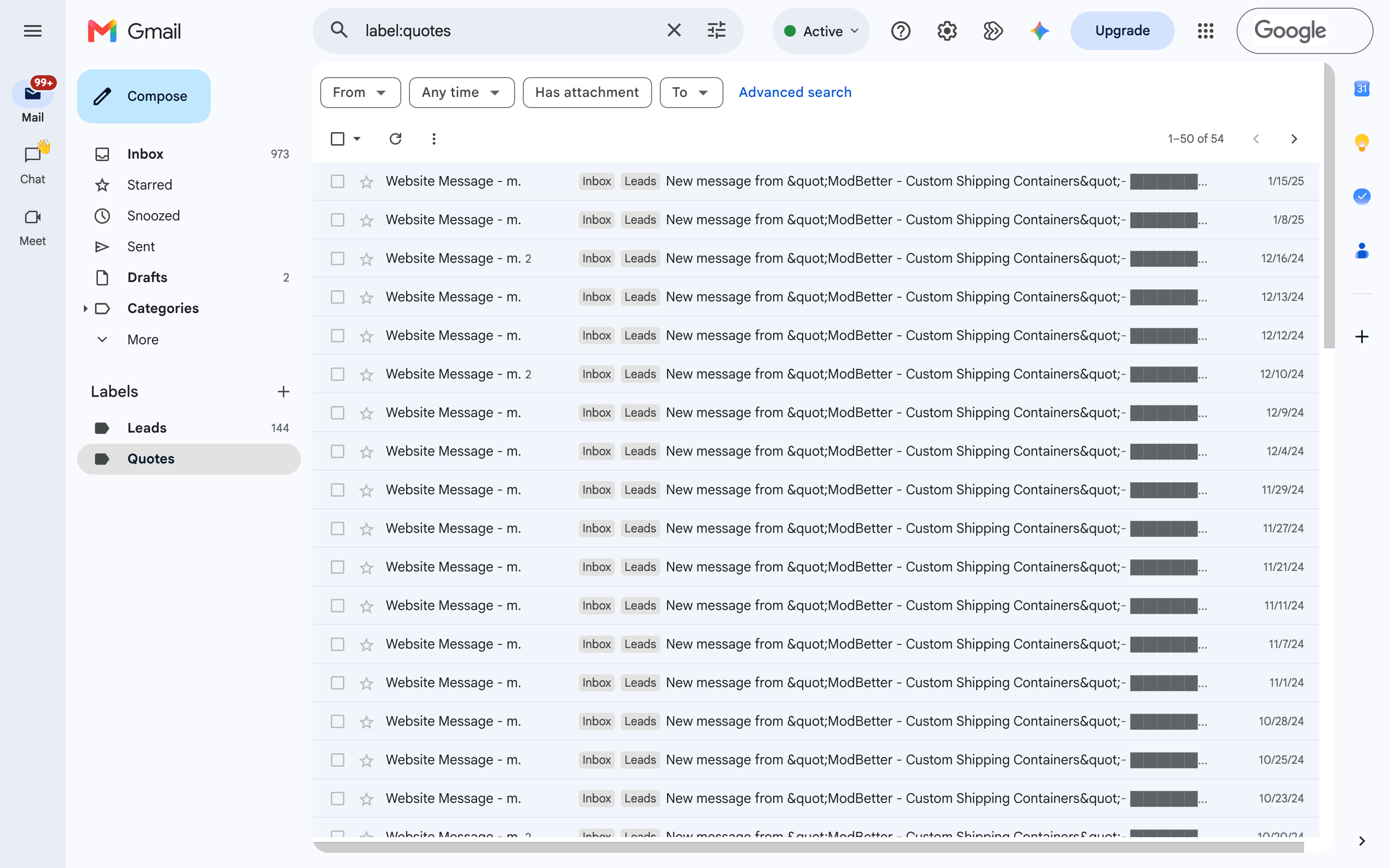
Container Lead Generation: Quotes
ModBetter site1 / 4

THE BUSINESS

ModBetter was a lead generation business for shipping-container modifications, run with a friend’s construction business. The goal was getting people who wanted a container turned into a garage, an office, or a home to find the business, understand what could be built, and ask for a quote.

MY ROLE

I built the website and everything that fed it: a page for each kind of build and dozens of search-focused articles, most of them about container garages, which brought in nearly all of the traffic. Visitors could download floor plans in exchange for an email address or fill in a quote form. Every inquiry landed in a shared inbox, sorted into leads and quote requests.

THE MODEL

I handled the marketing and incoming interest. The container specialist handled project feasibility and construction.

Personal

AI Command Center

BLACKWATER

THE PROBLEM

My work spans the restaurant, client builds, and personal projects. I needed a way to keep track of what each project needed and where I had left off without rebuilding it from scratch each time.

WHAT I BUILT

I built Blackwater as the operating system for my own work. Each project has a board with its open tasks and its next step. When I approve a piece of work, AI agents research it and set it up as a brief or a checklist.

HOW I USE IT

I spend my day on judgment calls instead of tracking. The system keeps everything else moving.

Personal Research System

SILLY RABBIT

Personal Research System: Home
Personal Research System: Sector view
Personal Research System: Research
Personal Research System: Markets
Home1 / 4

THE QUESTION

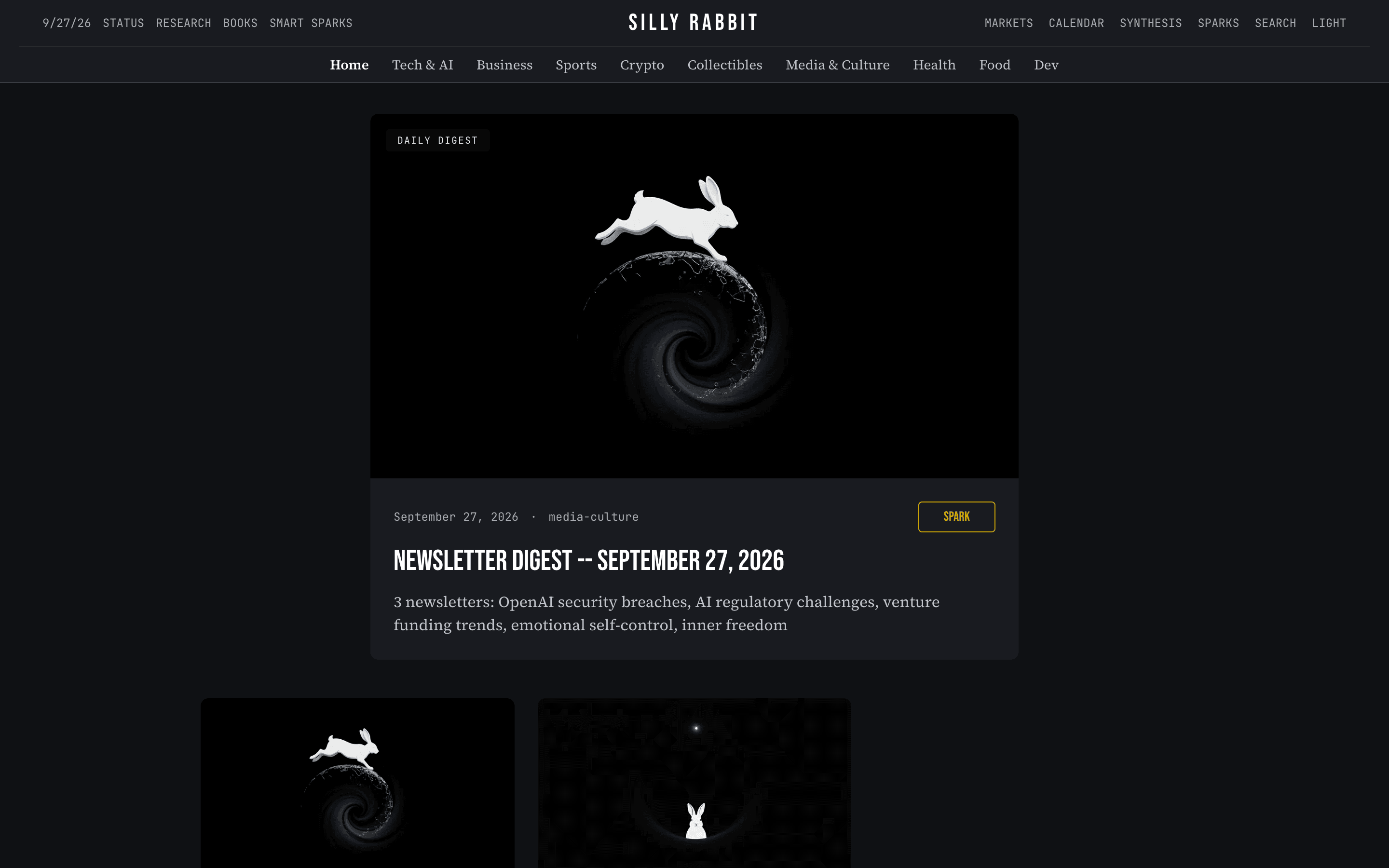
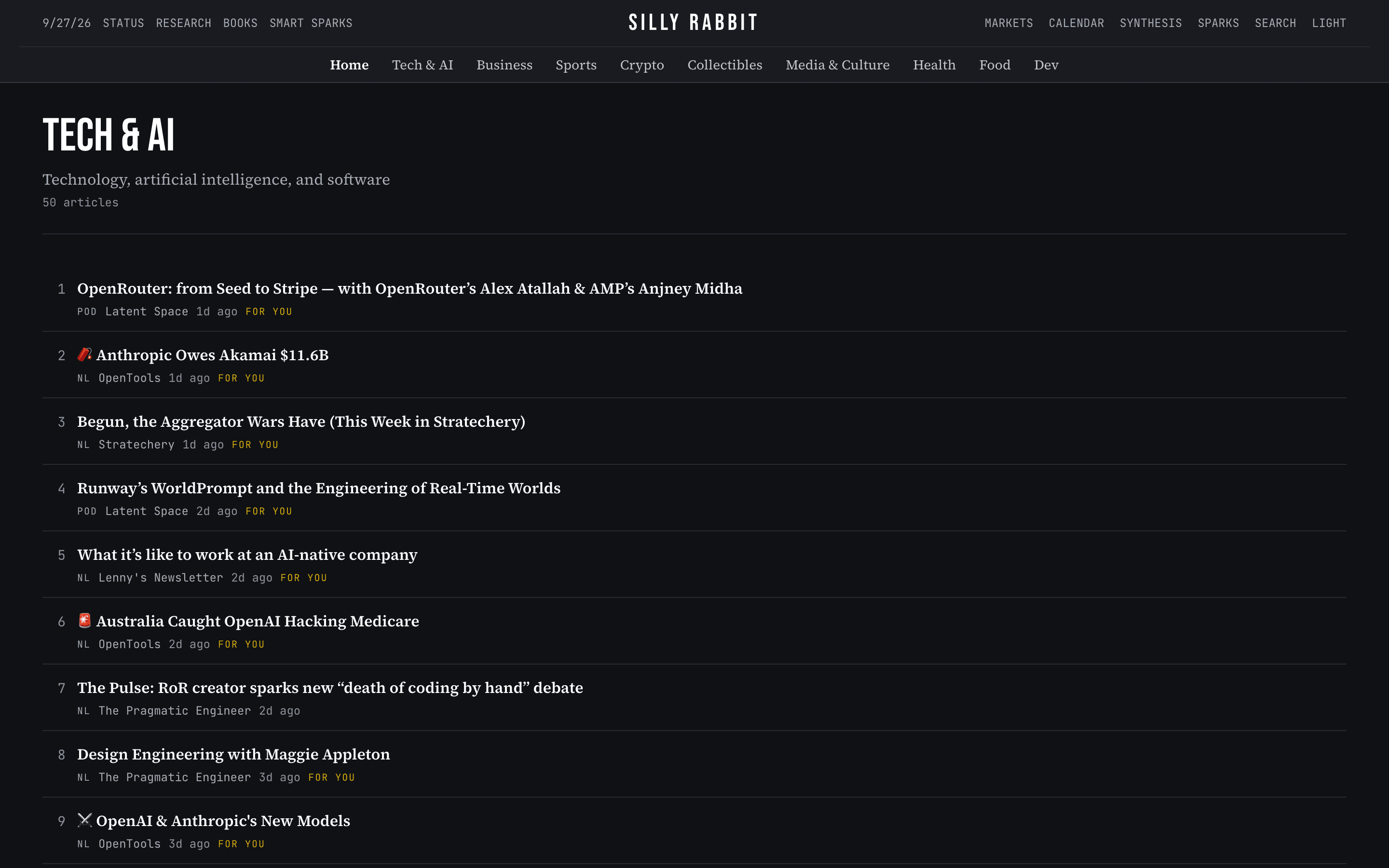
I follow more newsletters, podcasts, YouTube channels, developer blogs, and books than anyone could keep up with, and the rabbit holes often turn into business ideas or something I want to build. The useful parts, though, were scattered across a dozen apps and hard to find again.

WHAT I BUILT

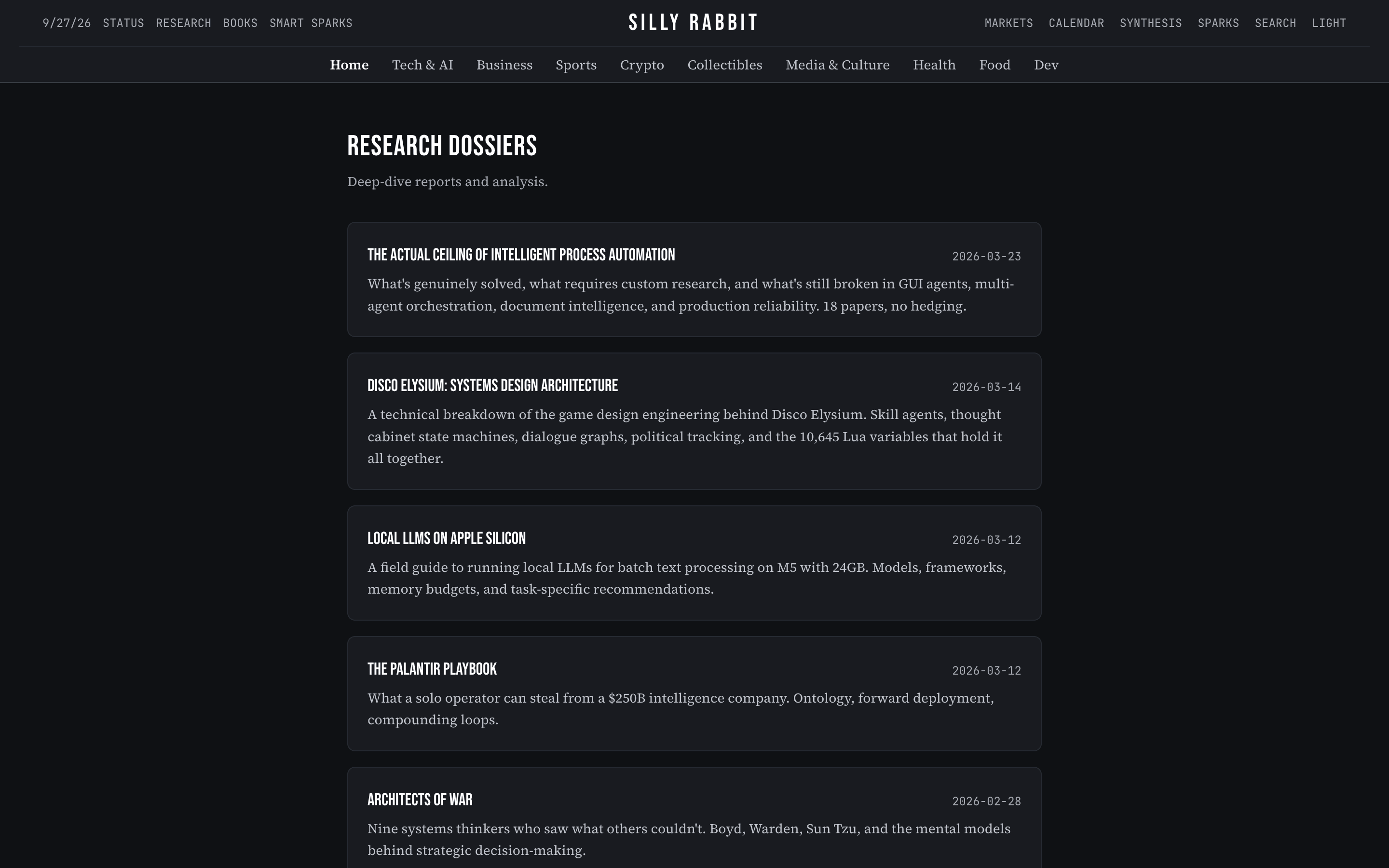
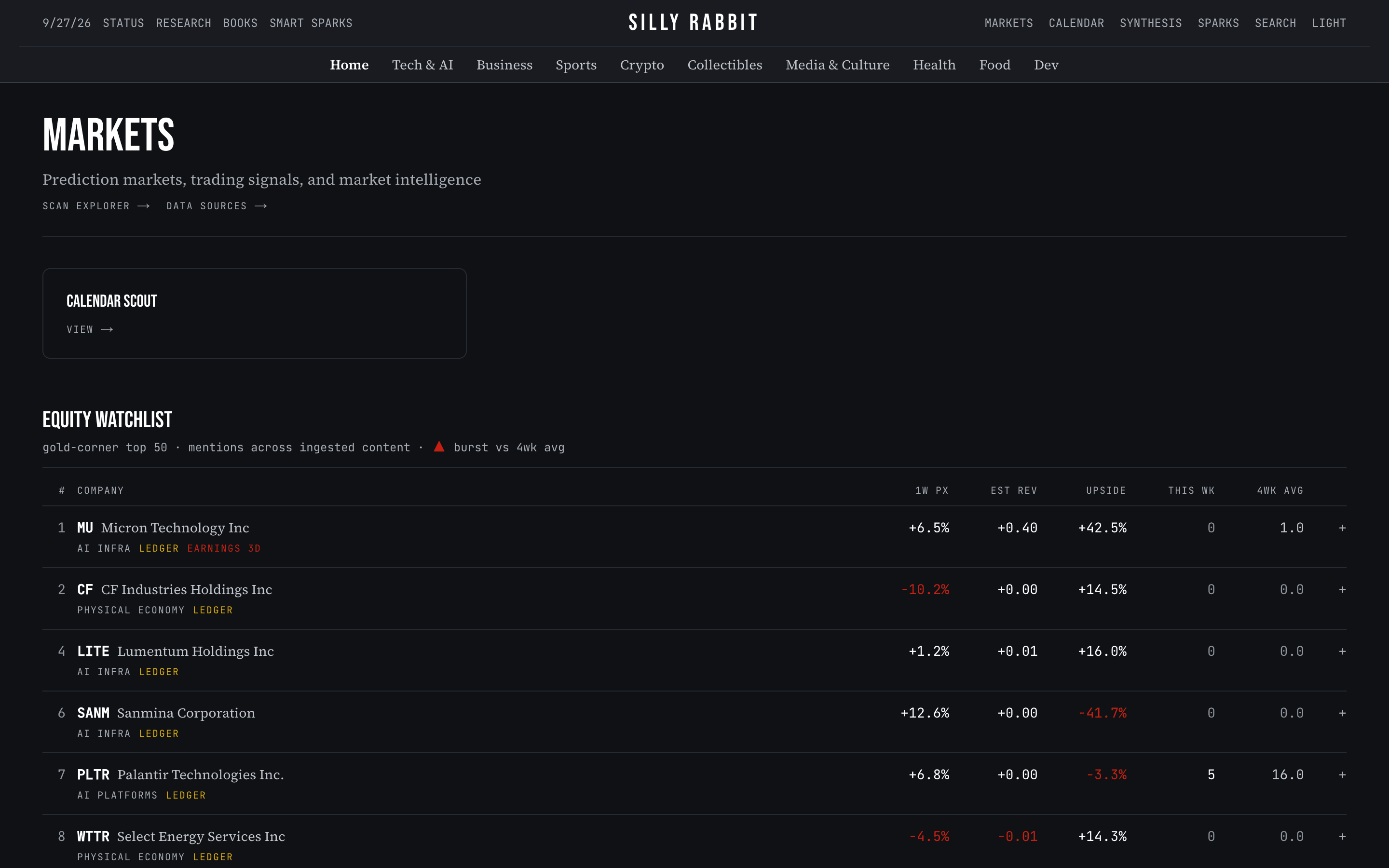
I built Silly Rabbit to collect all of those sources into one reading library, sorted by topic rather than by where each piece came from. Podcasts and videos arrive as readable transcripts with chapters, and a daily brief ranks the best of what came in overnight. When a passage catches my eye, I save it with a note, and the system keeps the source, author, and date. Over time it learns from those saves and suggests the passages I would most likely have picked out myself. I can search everything it has ever collected and get a short written answer.

HOW I USE IT

Some days I scan the brief and the suggestions in a few minutes. Other days I read a long piece in full on purpose. The saves turn into things to try in my work and content. Everything I have built for other people started as something I built for myself here.

Video Content System

BUSINESS STORIES / TIKTOK

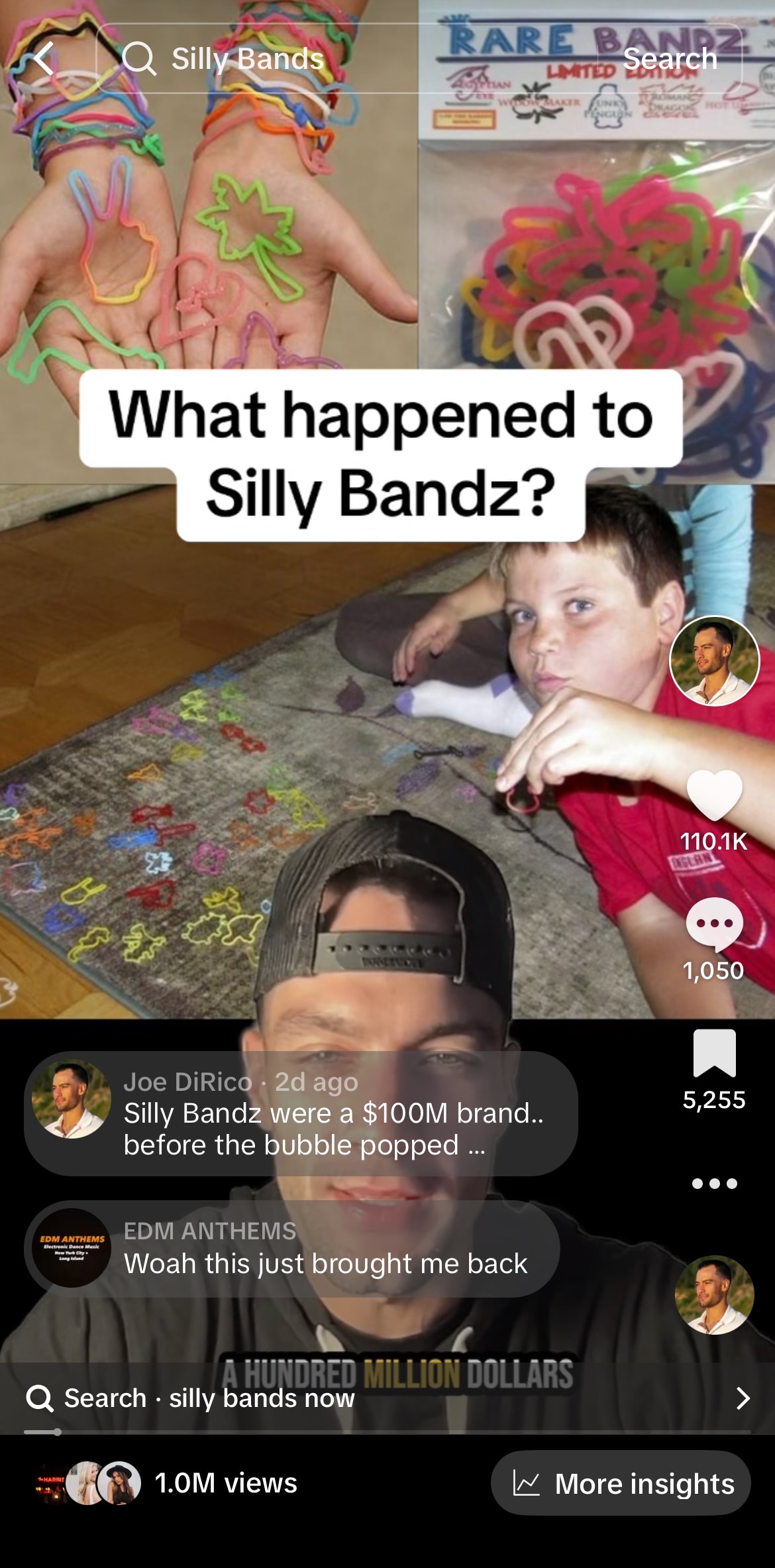
Video Content System: Silly Bandz
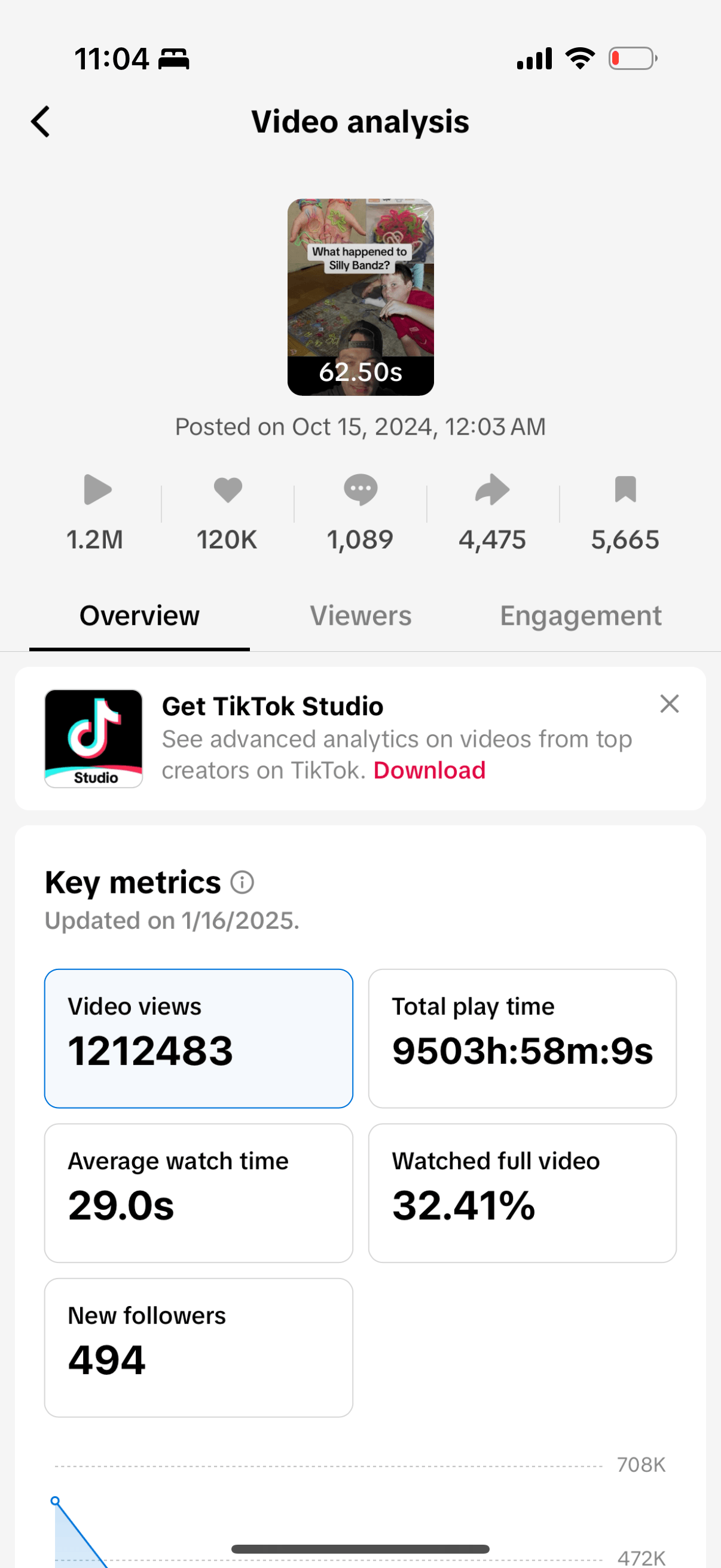
Video Content System: Silly Bandz, 1M views
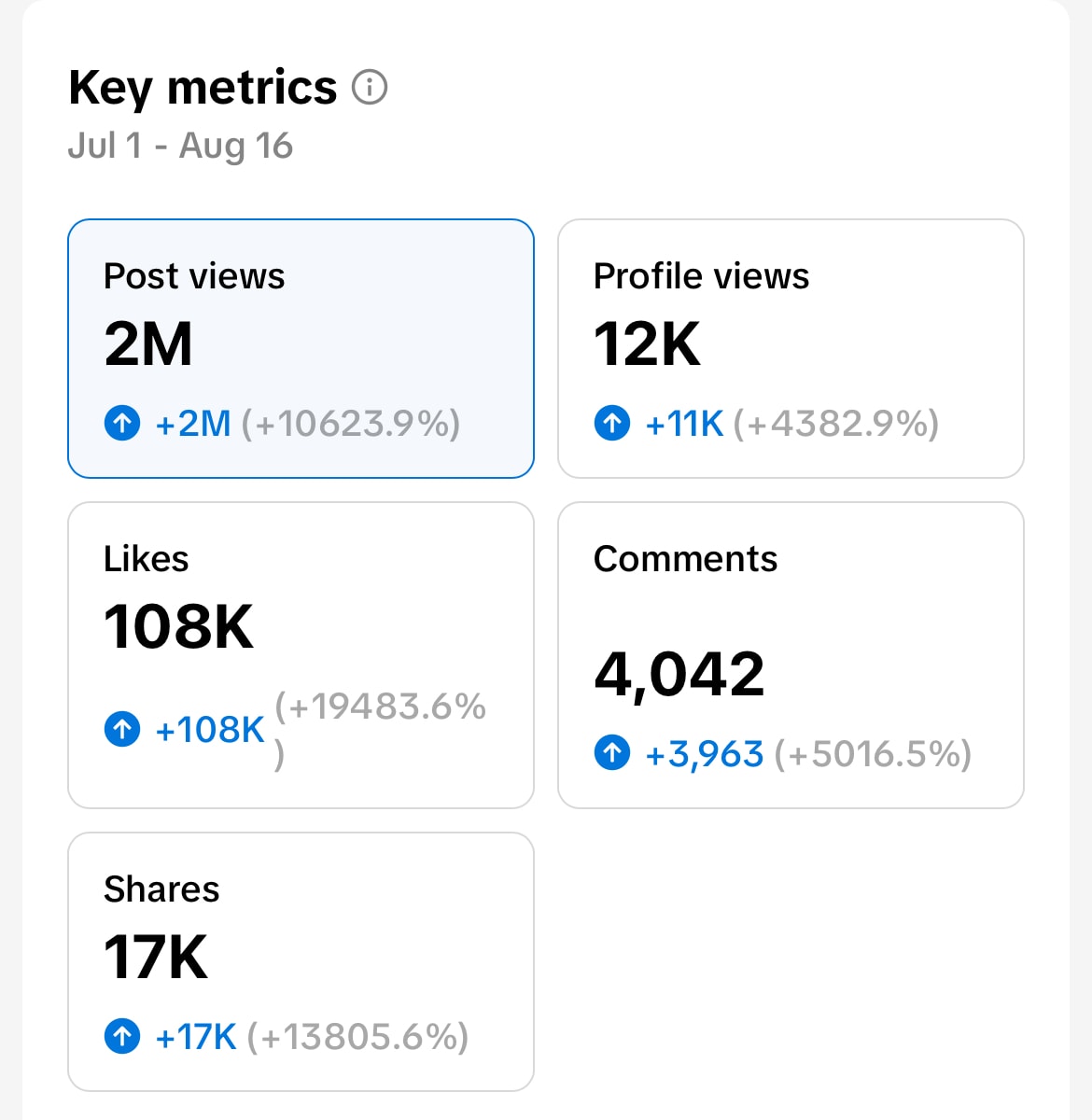
Video Content System: 2M views in a summer
Silly Bandz1 / 3

THE SUBJECT

I made short videos about the business stories behind things people already know: why Silly Bandz disappeared, why kids playing touch football wore Beats, whether the XFL really failed. Each one needed an angle worth telling, enough research to back it up, and a story people would stay to watch.

WHAT I MADE

I built a repeatable process so each video did not start from zero. A research step gathered the background on each story. Outline frameworks, adapted from people who had already proven them, gave every script a shape that worked. A production flow turned the outline into a finished video the same way every time. I chose the ideas and presented them myself. Each video went out on TikTok, LinkedIn, Instagram, and YouTube, and what did well fed back into what I made next.

THE REACH

About 25 million views in a little over a year, with Silly Bandz and Beats each passing a million. It had real traction and it opened doors. But every video still ate hours, and the videos did not pay for those hours, so I stopped. What I kept is the process, and the lesson that attention by itself is not a business.

Watch the videos

Live Audio Trading

LIMITLESS

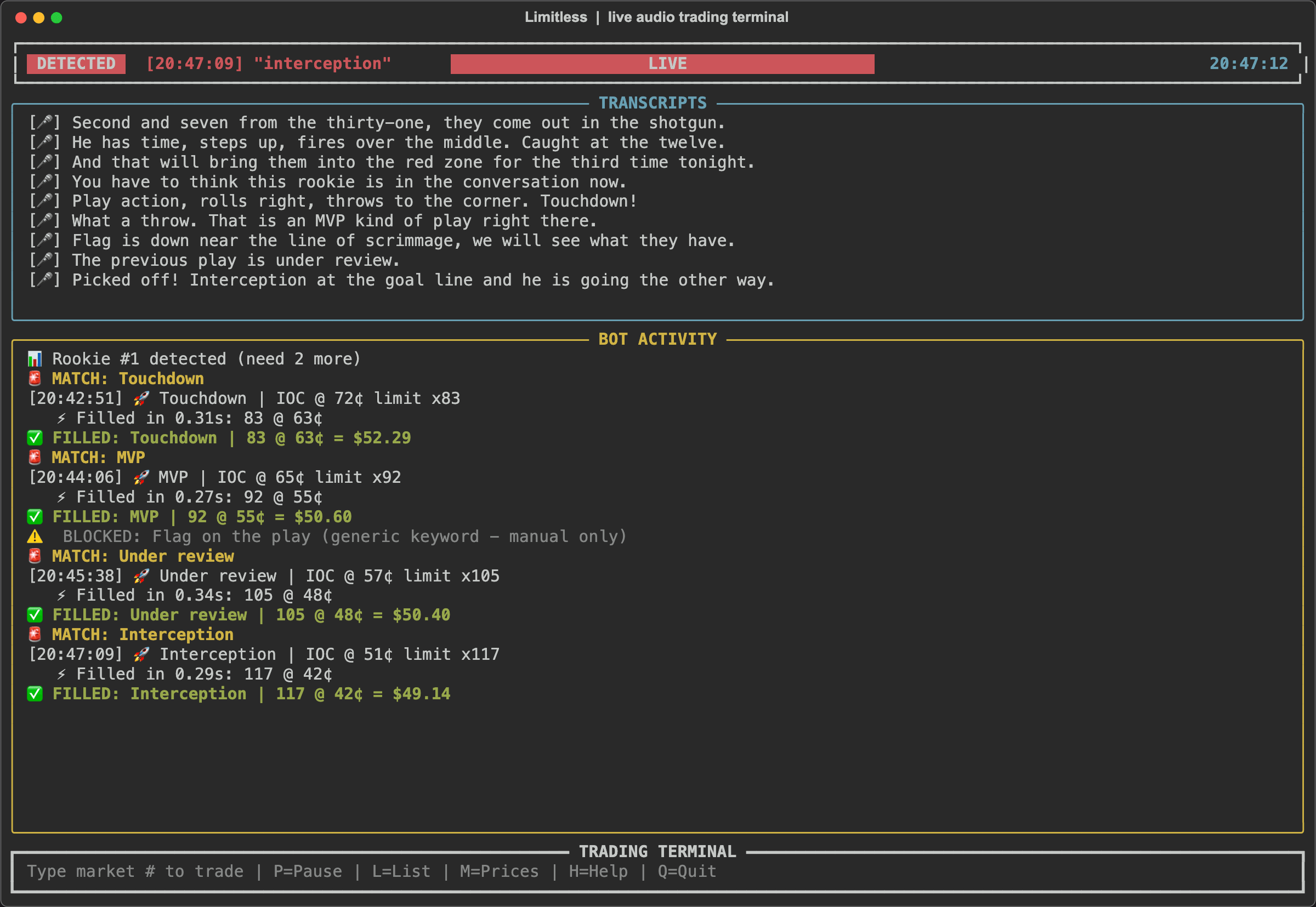
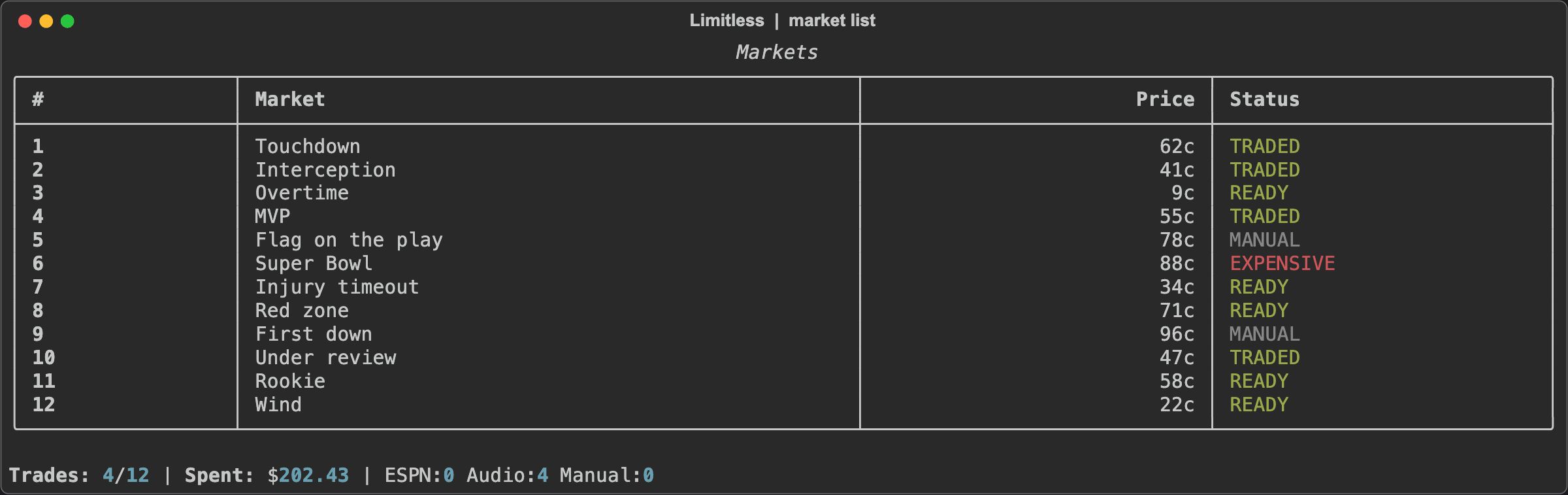
Live Audio Trading: Terminal
Live Audio Trading: Market list
Terminal1 / 2

THE QUESTION

Some prediction markets ask whether an announcer or a TV host will say a particular word during a broadcast. The first time I tried one, I heard the word, placed an order, and watched the price sit still for about 30 seconds before it moved. I wanted to find out whether a program listening to the broadcast could act inside that gap.

WHAT I TESTED

I built a chain to test it. An indoor antenna brought in the broadcast, since an over-the-air signal arrives before cable. The sound ran into my computer and through live transcription. A matcher watched the transcript for the words each open market cared about, and a match placed the order. One screen showed the transcript, the markets, the prices, and each order as it filled, with hotkeys for manual orders and a practice mode that placed nothing.

WHAT I LEARNED

It worked. During the World Series and on Survivor, the bot heard the phrase and the order went out on its own. The lesson was that speed starts at the first link: the code is only as fast as the signal coming in.

Have a project in mind?

Contact